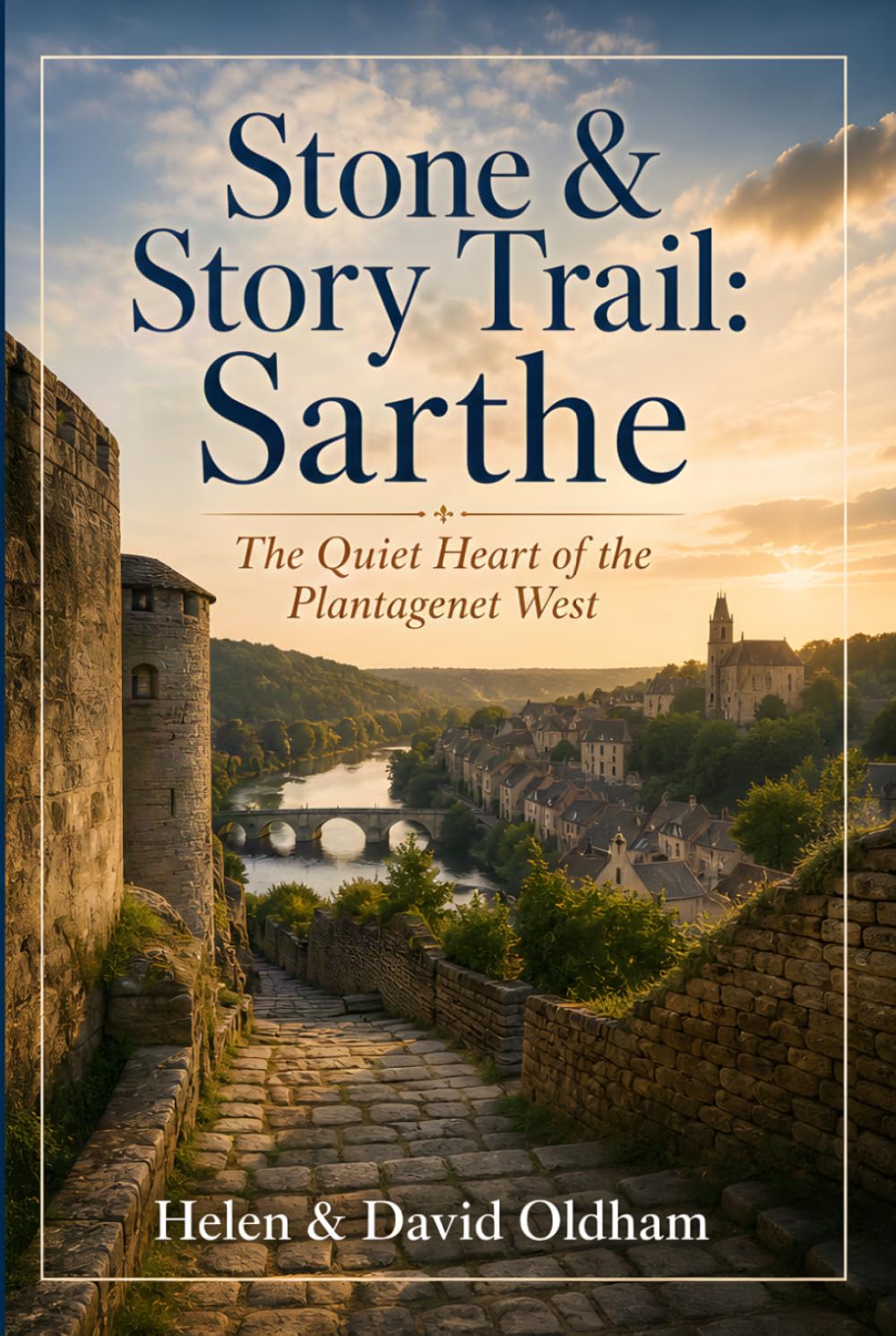
The Other France: Calvados

The Other France: Calvados

Where the Orchards Meet the Shore

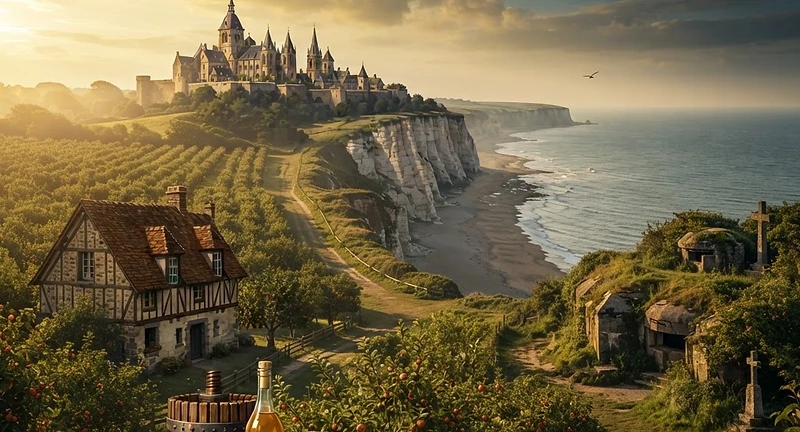
Discover a side of France that remains hidden from the hurried traveller. Calvados is a land of contradictions: where medieval castles rise from sheer stone, where the scars of the Second World War sit alongside the gentle beauty of apple orchards, and where the history of England and France is woven into the very fabric of the landscape. From the battle-hardened streets of Caen to the picturesque harbours of the coast, this journey uncovers the stories beneath the surface. You will explore the architectural legacy of William the Conqueror, walk the sands of the D-Day beaches, and wander through towns that have survived sieges, occupations, and centuries of change. With expert guidance and a keen eye for the details that bring a region to life, this book provides more than travel advice; it offers a deeper understanding of the landscape, the heritage, and the enduring resilience of the Norman people. Are you ready to see the real Normandy, a place where history is not just a subject but the living, breathing heart of the countryside?
  • ✦Uncover hidden history in every corner of Normandy's most storied landscape.
  • ✦Experience the blend of medieval architecture and poignant wartime legacy.
  • ✦Immerse yourself in a journey through ancient castles and peaceful apple orchards.

If you enjoyed The Discovery of France by Graham Robb or A Year in Provence by Peter Mayle, you will love this insightful exploration of Calvados.

Get the Book

Bought this book? Claim your free eBook

If you have already bought The Other France: Calvados by Helen Oldham, tell us where to send it and we will email you the eBook version, free. You keep reading on any device.

We link your address to your visits here, so Helen Oldham can see what readers find useful. Unsubscribe any time.

Chapter 1: The Castle on the Rock 11 centuries later, when the people of Caen desperately needed somewhere to hide from Allied bombs. But that is a story for a later chapter. Back to the château. What William built was a classic motte-and-bailey arrangement, though on a scale that dwarfed most contemporary fortifications. The keep, or donjon, sat at the highest point of the rock. The bailey, enclosed by massive walls, contained everything a ducal court required: a chapel, a great hall, kitchens, stables, barracks, and the administrative buildings from which Normandy was governed. The Échiquier, or Exchequer Hall, still stands in part. It is one of the oldest surviving civic buildings in Normandy, the place where the Duke's financial accounts were settled and his justice dispensed. The English word “exchequer” comes directly from this Norman French term, a reminder that the administrative machinery of England was built by men who thought and argued in the language of Caen. The château changed hands repeatedly over the centuries, and each new occupant left their mark. Henry I, William's youngest son, strengthened the defences. Henry II Plantagenet, who held both England and vast swathes of France, used Caen as one of his principal residences. Philip Augustus of France seized the castle in 1204, ending Norman independence and bringing the duchy firmly under the French crown. The English came back during the Hundred Years' War, capturing Caen in 1346 during Edward III's devastating chevauchée and again in 1417 under Henry V. The English held the city for over thirty years the second time, The Other France: Calvados 12 and their occupation left deep scars on the relationship between Caen and its conquerors. The 1346 siege was particularly brutal. Edward III's army, fresh from landing on the Cotentin peninsula, descended on Caen with ferocious intent. The city was wealthy, poorly defended, and stuffed with goods that an English army short on supplies found irresistible. The sacking of Caen was savage even by medieval standards. Thousands of civilians were killed, and the plundering went on for days before Edward could restore order among his own troops. The memory of that sack lingered for generations. Henry V's occupation from 1417 was a more calculated affair. He intended to hold Normandy permanently, not merely raid it, and Caen was central to his plans. English settlers were encouraged to move to the city. English law was imposed. The university, founded in 1432 under English rule, was one of the few lasting positive legacies of the occupation. When the French finally recaptured Caen in 1450, they inherited a city that had been shaped by decades of English administration, a city that remembered what occupation meant. The château survived all of this, though not unscathed. The keep was gradually dismantled over the centuries, its stone repurposed for other buildings. The fortifications were updated, modified, and in some places demolished as military technology evolved and the castle's strategic importance diminished. By the time of the French Revolution, the château was functioning primarily as a

The Other France Series Series

Book 5 of the series

More by Helen Oldham

Frequently Asked Questions

What is The Other France: Calvados about?

Discover a side of France that remains hidden from the hurried traveller. Calvados is a land of contradictions: where medieval castles rise from sheer stone, where the scars of the Second World War sit alongside the gentle beauty of apple orchards, and where the history of England and France is wove

Who wrote The Other France: Calvados?

The Other France: Calvados was written by Helen Oldham.

What genre is The Other France: Calvados?

The Other France: Calvados is categorized as Travel, History, Cooking & Food.

Where can I buy The Other France: Calvados?

The Other France: Calvados is available for purchase on Other.

How many pages is The Other France: Calvados?

The Other France: Calvados has 207 pages.

When was The Other France: Calvados published?

The Other France: Calvados was published on October 28, 2026 by D&H Publishing International Ltd.

Can I read a sample of The Other France: Calvados?

Yes, you can read a free sample of The Other France: Calvados on AuthorCentral. An excerpt is available on the book page.

Share this book

Follow Helen Oldham

Get notified when Helen Oldham releases a new book.

Book Details

Genre
Travel, History, Cooking & Food
Language
English
Pages
207
Published
October 2026
Paperback ISBN
978-1-995881-22-5
Hardback ISBN
978-1-995881-23-2